
"coffee production challenges"
2000 article(s) found
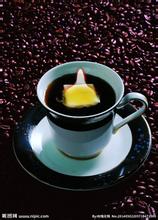
An introduction to the coffee-producing areas of El Salvador with the name of "the land of volcanoes"
A brief History of Coffee production in 1742, coffee was introduced to El Salvador from the Caribbean (1740). In the mid-19th century, El Salvador's original export pillar Indigo (one of the dyes) received a gradual decline in the development of synthetic dyes in Europe, and coffee gradually became the main export product under the guidance of the government. In 1856, the first 693 bags of coffee beans were shipped to Europe. all long

El Salvador Coffee Grinding degree Taste characteristics Variety Flavor description Fine Coffee introduction
Many volcanoes in the territory, known as the country of volcanoes, the lowest elevation is 0 meters, the highest is the Santa Ana active volcano 2385 meters. It became a Spanish colony in 1524. Independence from Spain in 1821. In 1824, he joined the Union of Central America, including Guatemala, Honduras, Nicaragua, Costa Rica, and Mexico. In 1841, secession and independence

Introduction of Manor in El Salvador Coffee producing area introduction of Renas Manor in Santa Ana Volcano area
A brief History of Coffee production in 1742, coffee was introduced to El Salvador from the Caribbean (1740). In the mid-19th century, El Salvador's original export pillar Indigo (one of the dyes) received a gradual decline in the development of synthetic dyes in Europe, and coffee gradually became the main export product under the guidance of the government. In 1856, the first 693 bags of coffee beans were shipped to Europe. all long
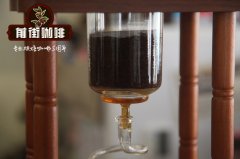
Is Yunnan coffee famous in the world? what grade and grade Yunnan coffee beans belong to in foreign countries?
Professional coffee knowledge exchange more coffee bean information please follow the coffee workshop (Wechat official account cafe_style) he has a coffee farm in southwestern Yunnan by 5000 coffee trees per hectare, growing in plenty of sunlight, a typical plantation-style layout. Catimor is a variety of options for farmers in the region, chosen because of its low sensitivity to disease and higher, faster yields.

How to drink coffee in Bolivia
Professional coffee knowledge exchange More coffee bean information Please pay attention to Coffee Workshop (Weixin Official Accounts cafe_style) Although Bolivia's coffee business development began in the 1920s, the country's contribution to the global coffee supply today is minimal. About 95 percent of Bolivia's coffee is produced in Yungas, a fertile region on the eastern slope of the Andes, La Paz.

Introduction to grinding and calibration treatment of coffee beans in El Salvador
A brief History of Coffee production in 1742, coffee was introduced to El Salvador from the Caribbean (1740). In the mid-19th century, El Salvador's original export pillar Indigo (one of the dyes) received a gradual decline in the development of synthetic dyes in Europe, and coffee gradually became the main export product under the guidance of the government. In 1856, the first 693 bags of coffee beans were shipped to Europe. all long

El Salvador Coffee producing area introduces the IzaIco area of Sonsonate Province
In 1742, coffee was introduced to El Salvador from the Caribbean (1740). In the mid-19th century, El Salvador's original export pillar Indigo (one of the dyes) received a gradual decline in the development of synthetic dyes in Europe, and coffee gradually became the main export product under the guidance of the government. In 1856, the first 693 bags of coffee beans were shipped to Europe. Until the second World University.

Introduction to the treatment of Salvadoran Coffee
A brief History of Coffee production in 1742, coffee was introduced to El Salvador from the Caribbean (1740). In the mid-19th century, El Salvador's original export pillar Indigo (one of the dyes) received a gradual decline in the development of synthetic dyes in Europe, and coffee gradually became the main export product under the guidance of the government. In 1856, the first 693 bags of coffee beans were shipped to Europe. all long

The taste of balanced Salvadoran coffee introduces Renas Manor.
Flavor: balanced taste, excellent texture suggested baking method: medium to deep, there are many uses of high-quality beans: El SHB taste characteristics: sour, bitter, sweet mild and moderate. Salvadoran coffee ranks side by side with Mexico and Guatemala as the producers of Asa and Merdo, and is fighting for the top one or two places in China and the United States with other countries. The highland of origin is equal in size and size.

El Salvador Coffee Flavor Taste Manor characteristics of Mercedes Manor
In 1742, coffee was introduced to El Salvador from the Caribbean (1740). In the mid-19th century, El Salvador's original export pillar Indigo (one of the dyes) received a gradual decline in the development of synthetic dyes in Europe, and coffee gradually became the main export product under the guidance of the government. In 1856, the first 693 bags of coffee beans were shipped to Europe. Until the second World University.
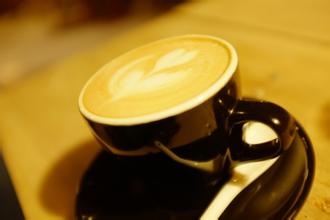
El Salvador Coffee Manor introduces the characteristics of El Salvador Coffee Mercedes Manor
A brief History of Coffee production in 1742, coffee was introduced to El Salvador from the Caribbean (1740). In the mid-19th century, El Salvador's original export pillar Indigo (one of the dyes) received a gradual decline in the development of synthetic dyes in Europe, and coffee gradually became the main export product under the guidance of the government. In 1856, the first 693 bags of coffee beans were shipped to Europe. all long
Coffee production in Indonesia has dropped sharply!
In recent years, coffee production in Indonesia has been challenged by climate change and an increase in farm diseases and insect pests. The Foreign Agriculture Service of the United States Department of Agriculture predicts that Indonesian coffee exports will fall by 32% in 2023 to 24 compared with the previous year. Previously, excessive rainfall disrupted the development of coffee fruit, and coffee production dropped sharply.

The cultivation of boutique coffee beans on Mount Qomolangma in El Salvador with excellent balance, geographical location, climate, simple altitude.
Despite the challenges, El Salvador maintained a high level of coffee production, according to ICO International Coffee Organization, from 2008 to 2012, total coffee production in El Salvador remained at the Top15 level among ICO member countries. In 2013, affected by the leaf rust disaster, 70% of domestic farms were infected, and the output dropped sharply by about 40%, falling to 16. Salvadoran coffee and Mexico

El Salvador Coffee Variety characteristics Fine Coffee Bean Flavor description Taste Manor introduction
A brief History of Coffee production in 1742, coffee was introduced to El Salvador from the Caribbean (1740). In the mid-19th century, El Salvador's original export pillar Indigo (one of the dyes) received a gradual decline in the development of synthetic dyes in Europe, and coffee gradually became the main export product under the guidance of the government. In 1856, the first 693 bags of coffee beans were shipped to Europe. all long

El Salvador Himalayan Coffee Estate Features Variety Grind Treatment Taste Introduction
San Salvador, Bahia. An important natural deep-water port on Brazil's Atlantic coast, capital of Bahia. Located on the east coast of the Bay of Todos (Santos). With a population of 3,459,377 (as of August 1, 2010), it is the eighth largest city in Brazil. It is one of the oldest cities in Brazil, founded in 1549, and the first churches were built by Jesuit priests in 1549. until 1763.

El Salvador Coffee Taste Characteristics Fine Coffee Bean Estate Description Introduction
El Salvador is tied with Mexico and Guatemala as the producer of Asa and Meldo, and is competing with other countries for the top one or two places in Central America. Highland origin, for the size of large coffee beans, fragrant taste mild. As in Guatemala and Costa Rica, coffee in El Salvador is graded according to altitude, with the higher the altitude, the better the coffee.
El Salvador Coffee country introduces the boutique of Renas Manor in IzaIco area of Sonsonate Province
A brief History of Coffee production in 1742, coffee was introduced to El Salvador from the Caribbean (1740). In the mid-19th century, El Salvador's original export pillar Indigo (one of the dyes) received a gradual decline in the development of synthetic dyes in Europe, and coffee gradually became the main export product under the guidance of the government. In 1856, the first 693 bags of coffee beans were shipped to Europe. all long

Introduction of Mt. Everest Coffee Grinding scale Variety production area treatment Manor in El Salvador
A brief History of Coffee production in 1742, coffee was introduced to El Salvador from the Caribbean (1740). In the mid-19th century, El Salvador's original export pillar Indigo (one of the dyes) received a gradual decline in the development of synthetic dyes in Europe, and coffee gradually became the main export product under the guidance of the government. In 1856, the first 693 bags of coffee beans were shipped to Europe. all long

Introduction to the taste of high-quality coffee beans in El Salvador Himalayan coffee producing areas
In El Salvador, the coffee beans rich in the Kuskabapa region are the best, slightly lighter, fragrant, pure and slightly sour. Like Guatemala and Costa Rica, coffee in El Salvador is graded according to altitude, and the higher the altitude, the better the coffee. The best brand is Pip, whose quality has been recognized by the American Organic Certification Society. In addition
Introduction to the balanced and soft flavor of El Salvador boutique coffee
The civil war caused chaos and affected economic development, but ironically allowed the ancient coffee to be preserved, and the situation was so chaotic that coffee producers in El Salvador failed to catch up with the renewal of coffee varieties in Central and South America. El Salvador produces 100% Arabica coffee, of which 68% is Bourbon, Coffea arabica var. Bourbon), 29% Pacas, the rest